
Swallowed something they shouldn't? We can help.
When a dog or cat swallows a foreign object, some pass safely on their own — others need an endoscopy or surgery to come out. Our experienced team uses state-of-the-art imaging to quickly find what's stuck and get your pet's digestion back on track.
When to act right now.
A stuck object can turn serious quickly, so trust your gut and make the call. Here's the simple version:
Call us now if
- You saw — or suspect — your pet swallow something
- They're vomiting, gagging, or drooling excessively
- They suddenly won't eat or seem unusually tired
- They're constipated or straining to go
- They're acting out of character — like growling or biting when touched
Go straight to a 24/7 ER if
- Trouble breathing
- Collapse or unresponsiveness
- Active seizures
- Severe bleeding
Not sure which applies? Our emergency services page breaks down what we can treat and when the ER is the right call.
The usual suspects.
Pets usually swallow foreign objects by accident or out of pure curiosity. These are the items we most often see cause intestinal blockages and other problems:
Swallowed something that isn't on this list? Call anyway — we'd much rather check than guess.
Symptoms that something is stuck.
Not sure whether your pet ate something other than food? Watch for these symptoms:
Why it can't wait: a stuck foreign body can restrict blood flow to organs, cause internal injuries, and disrupt digestion — and untreated obstructions or perforations can become life-threatening. If you're seeing these signs, call us right away.
Endoscopy or surgery — whichever is safer.
Small, smooth objects can sometimes pass on their own under close monitoring. When they can't, there are two ways to get them out — and imaging tells us which one your pet needs.
Endoscopy
For small, reachable objectsAn endoscope is a camera-guided, flexible instrument that lets us see inside the gastrointestinal tract — and retrieve small foreign objects from the esophagus or stomach without an incision.
- Camera-guided view of the esophagus and stomach
- Can remove small foreign matter without surgery
- Typically takes up to 40 minutes
Surgical removal
When it can't pass or be retrievedSurgery is needed when an ingested object can't pass naturally and can't be reached with an endoscope — usually because it's large, obstructive, or sharp.
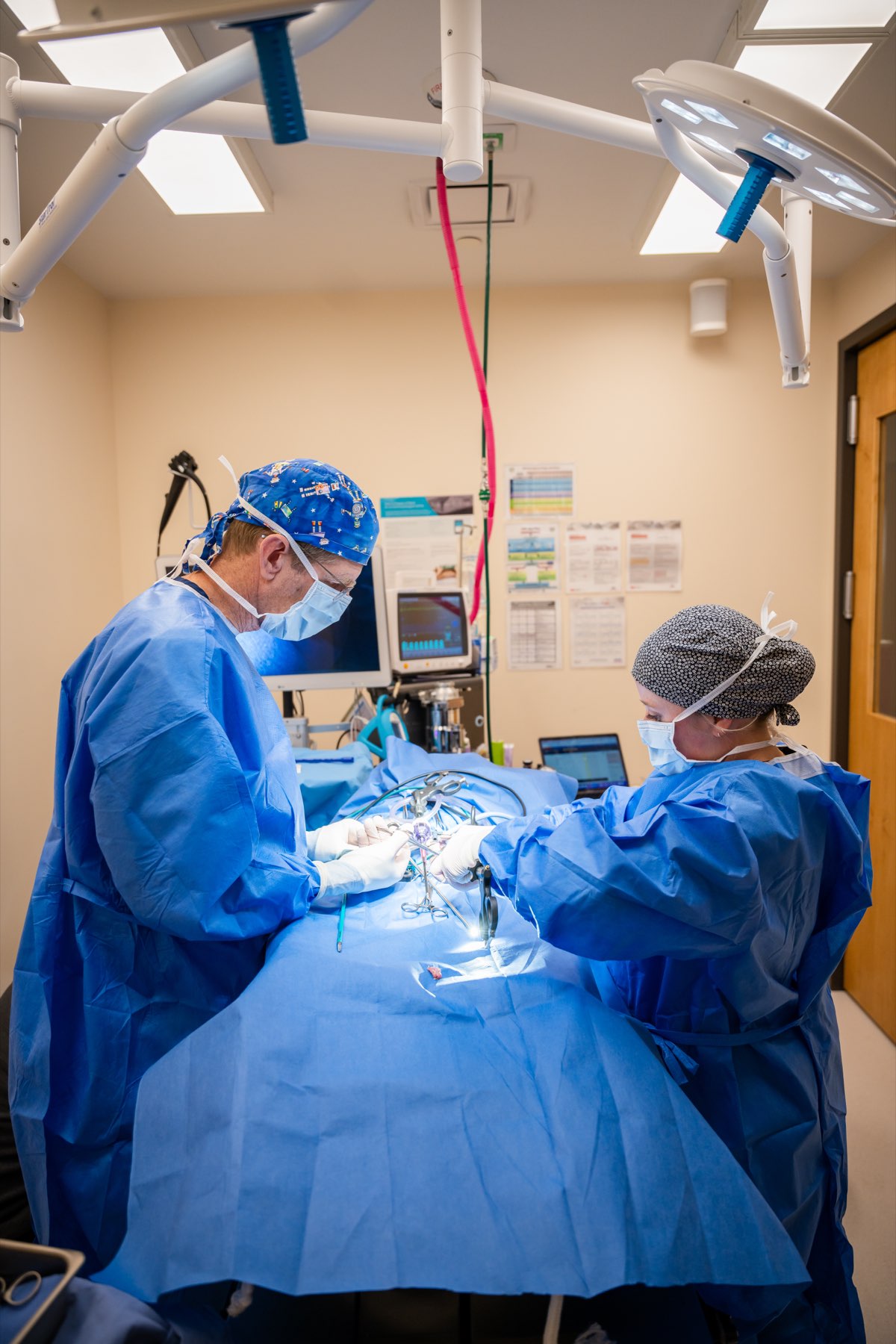
- Performed under anesthesia by our experienced surgical team
- Typically takes 1 to 4 hours, depending on the case
- Live updates by text, photo, and video while you wait
In some mild cases, our veterinarians may recommend medication and a special diet to help the object pass safely instead — with close monitoring the whole way.
Foreign body removal, start to finish.
From the first exam to post-op snuggles, here's how it goes:
Exam & imaging
A full physical exam — including bloodwork and any lab tests our veterinarian recommends — plus imaging to confirm what your pet swallowed and exactly where it is in the GI tract.
A clear plan
Based on what we find, we recommend the safest next step: close monitoring while the object passes, endoscopy to remove it, or surgery. You get transparent pricing before anything is scheduled.
Procedure day
You drop your pet off on the day of the procedure — for surgery, we'll give you exact fasting instructions the night before (water is fine anytime). Once it begins, we send live updates by text, photo, and video.
Recovery & home
After larger intestinal or gastric surgeries, your pet may transfer to a 24-hour hospital to be closely monitored while they recover. Once home: medications on time, limited activity, the vet-recommended diet, and plenty of calm rest.
Helping them not do it again.
Once your pet has recovered, a few habits go a long way toward preventing a repeat:
- Plenty of exercise and stimulating toys to head off boredom chewing
- Keep small choking hazards where pets can't reach them
- Debone meat before offering it as a treat
- Put a secure lid on trash bins
Dogs often chew destructively when they're stressed or bored — and though it's less frequent, cats can do the same when anxious or under-stimulated. Managing stress and boredom is the best prevention there is.
If destructive chewing keeps happening, our veterinarians offer behavioral consultations to help manage it before it becomes another trip to surgery.
Part of our full surgery service.
Foreign body removal is one of many procedures our surgical teams perform — see how we approach surgery at Sploot, from the consult to recovery.
Financing made simple with CareCredit.
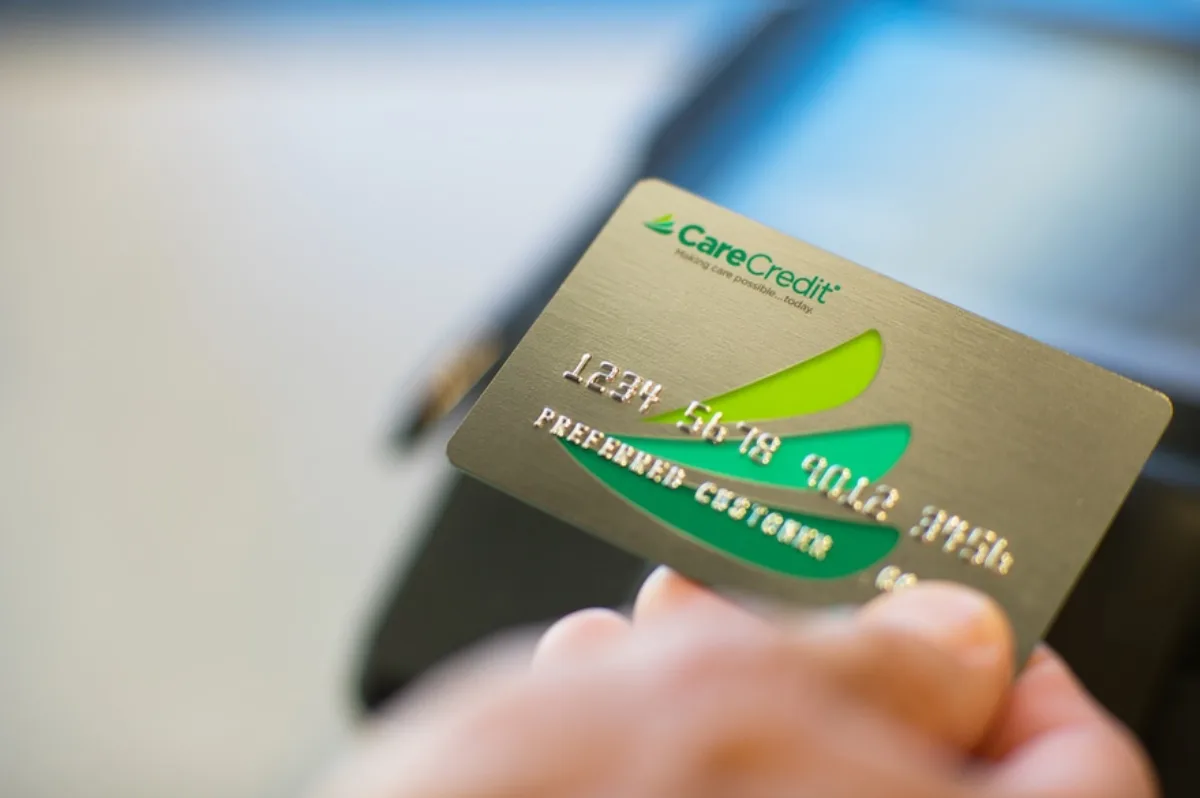
Pet healthcare expenses can come at unexpected times — and foreign body removal is rarely planned. That's why we accept the CareCredit® credit card, a flexible financing solution with promotional financing options on purchases of $200 or more.
- See if you prequalify in seconds — with no impact to your credit score
- Reusable for future visits at any Sploot clinic
- Pay over time with convenient monthly payments*
*Subject to credit approval. See carecredit.com for details. See our full financing options.

Foreign body removal FAQs, answered.
What should I do if I think my pet swallowed a foreign object?
Give our team a call immediately. Depending on your pet's case, we'll guide you through the next steps — whether that's coming in right away, close monitoring at home, or heading to a 24/7 ER. Because gastrointestinal obstructions have potentially fatal effects, we encourage pet parents to reach out as soon as they observe symptoms. We accept same-day appointments and walk-ins.
Can a swallowed object pass through on its own?
If the object is small and smooth, it may pass through your pet's intestines naturally. Larger, irregularly shaped, or sharp objects won't pass as easily and will likely need a veterinarian's intervention. If you suspect your pet swallowed something that could get stuck or cause internal cuts, reach out to our team immediately.
Is foreign body ingestion a medical emergency?
It can become one — especially if the object is likely to cause an obstruction, a puncture, or other internal damage. Left untreated, complications like perforation and obstruction can become life-threatening. Seek immediate veterinary care if you suspect your pet has ingested a foreign object.
How is a swallowed foreign body diagnosed?
Our veterinarians use a combination of physical exam findings, imaging, and endoscopy to confirm the presence and location of a foreign body in your pet's GI tract.
Can it be removed without surgery?
Sometimes. An endoscope can retrieve some foreign objects, depending on their size and where they're stuck in the digestive system. In some mild cases, our veterinarians may recommend medication and a special diet to help the object pass naturally instead — with monitoring to make sure it passes safely.
How long does the procedure take?
Endoscopies can take up to 40 minutes. Surgery to remove larger, more harmful gastrointestinal obstructions takes around 1 to 4 hours.
Are there risks with foreign body removal surgery?
As with any veterinary surgery, there are risks involved, such as anesthesia complications and post-surgical wound infections. Our experienced vets work to minimize these risks and set pet parents up to give great post-surgical care at home.
Does my pet need a pre-surgical consultation?
Yes. A pre-op appointment — a full physical exam with bloodwork and imaging — is what ensures a safe and successful foreign body removal.
What is recovery like after surgery?
It depends on the complexity of the procedure. Some pets go home the same day, while others may need a hospital stay for further stabilization before returning home.
In general, every pet recovering from surgery needs their prescribed medications on time, limited physical activity, the vet-recommended diet, and a calm environment to rest in.
How much does foreign body removal cost?
The cost depends on the extent of the procedure — an endoscopy and a complex intestinal surgery are very different cases. We offer transparent pricing from the get-go, so you'll have a clear estimate before anything is scheduled. Reach out to our team to learn more.
Do you accept pet insurance?
If foreign body removal is included in your pet's insurance coverage, you may be able to claim reimbursement from your insurance provider. Because different plans cover different things, check with your provider on whether this treatment is eligible.
What payment options does Sploot accept?
Sploot only accepts cashless payments. We happily accept all major credit and debit cards, along with CareCredit and ScratchPay.
How do I prevent my dog or cat from eating foreign objects?
Dogs may chew destructively when they're stressed or bored — and though it's less frequent, cats may too. Managing stress and boredom with enough exercise and stimulating toys helps prevent foreign body ingestion.
Also keep small choking hazards out of reach: debone meat before giving it as a treat, and put a secure lid on trash bins. If you're concerned about destructive chewing, our veterinarians offer behavioral consultations to help manage it.

The sooner we see them, the simpler it is.
If your dog or cat swallowed something they shouldn't have, don't wait and wonder. Call or book now — our clinics in Denver, CO and Chicago, IL take same-day appointments and walk-ins, 365 days a year.