
Pet surgery for dogs & cats, from consult to recovery.
Whether your pet needs a routine procedure like a spay or neuter, or something more advanced like a mass removal or gastrointestinal surgery, Sploot's expert veterinary surgeons are here to help — with compassionate, Fear-Free care, state-of-the-art surgical suites, modern anesthesia protocols, and clear communication every step of the way.
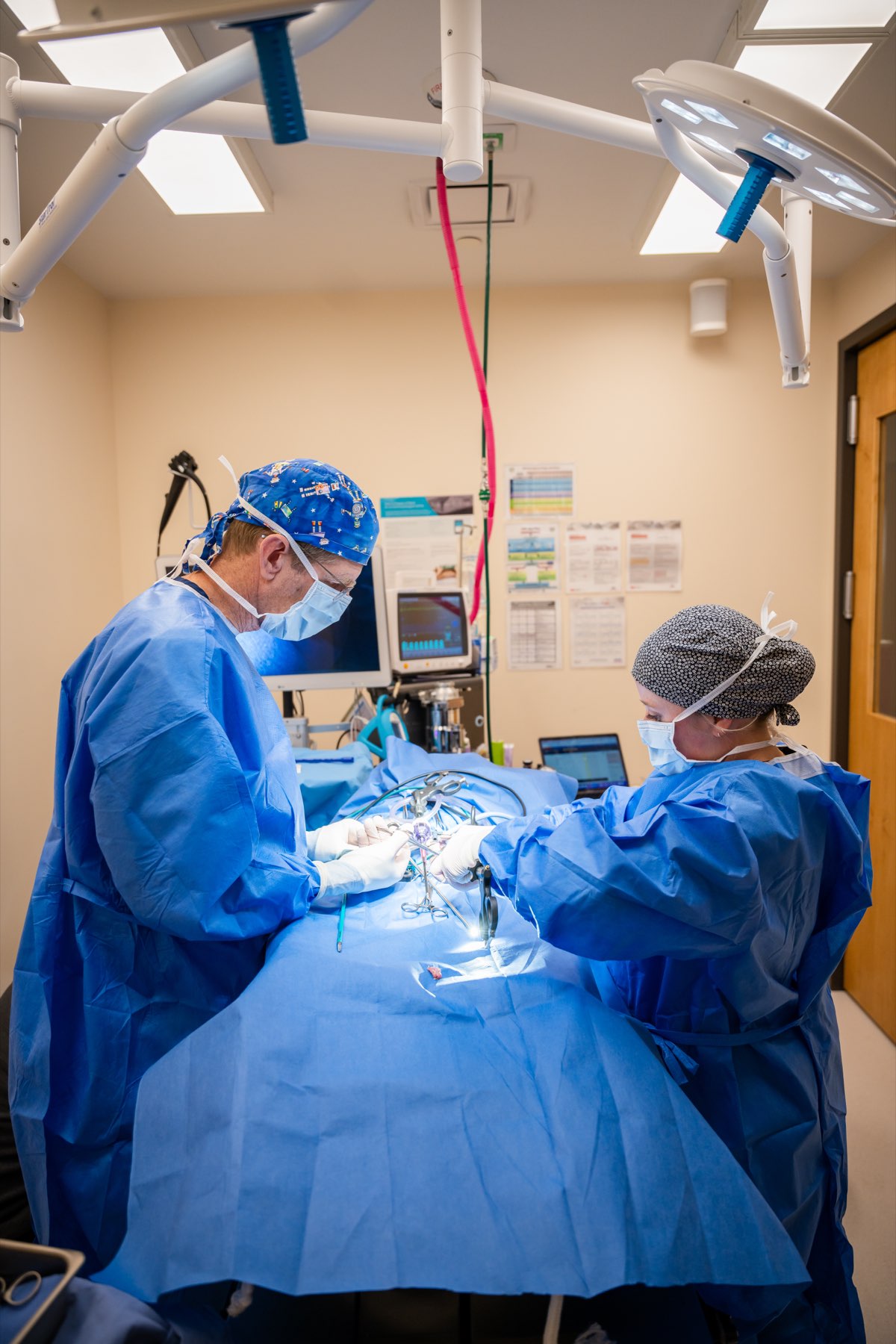
One team for every procedure, routine to advanced.
From the most common surgery in dogs and cats to specialized procedures, every surgery at Sploot happens in a dedicated surgical suite, with a plan built around your pet.

Spay & neuter
The most common surgery for dogs and cats. We invest in both the pet and pet parent experience, so this routine procedure stays smooth and stress-free.
Learn about spay & neuter
Dental surgery
For severe tooth decay, fractures, retained baby teeth, and other oral issues — our vets recommend and perform the right procedure to relieve pain and stop dental problems from progressing.
Learn about dental care
Foreign body removal
Pets swallow things they shouldn't — and swallowed objects can get stuck and block normal digestion. We quickly locate the obstruction and get your pet's digestive system back to normal.
Learn about foreign body removal
Intestinal & gastric surgery
Intestinal blockages and abnormalities cause bloating, diarrhea, vomiting, and other uncomfortable symptoms. We use state-of-the-art imaging to find the root cause and resolve it surgically.
Learn about GI surgery
Mass removals
Masses can be benign (non-cancerous) or malignant (cancerous). Our experienced vets give recommendations tailored to your pet's case and perform the needed surgery in our dedicated surgical suites.
Learn about mass removals
Bladder stone removal
Bladder stones cause difficulty urinating, abdominal pain, and discomfort. We have the expertise and technology to detect problematic stones and remove them effectively.
Learn about bladder stones
Laparoscopic surgery
Minimally invasive keyhole surgery with LigaSure precision — smaller incisions, less discomfort, and a faster recovery, including laparoscopic spays.
Learn about laparoscopy
Specialty surgeries
Looking for a specific veterinary surgical procedure? Chances are we have specialists who can help — call or text and we'll point you in the right direction.
Call or text (720) 770-8656Your pet's surgery, start to finish.
From the first consultation to post-op snuggles, here's how surgery at Sploot works — and how we keep you in the loop the whole way.
Surgical consultation
Every surgery starts with a pre-op appointment. Our vets examine your pet, run pre-anesthetic bloodwork, walk you through the procedure, and set clear expectations — with transparent pricing from the get-go and time for every question.
Prep at home
We keep it simple: no food after the cutoff time your vet gives you the night before surgery (water is fine at all times), and a quiet, safe space set up at home for recovery — baby gates, a closed-off staircase, or a pen if activity needs limiting.
Surgery day
Drop your pet off and we take it from there — modern anesthesia protocols and continuous monitoring in a dedicated surgical suite. You get a live update on how the procedure is going and when you can pick up your furry friend.
Recovery & home
You head home with any needed pain medication and clear, specific aftercare instructions: rest, limited activity, and keeping an eye on the surgery site. Questions during recovery? Our pet parent concierge is a call or text away.
A printable guide to preparing for your pet's surgery, from fasting to setting up recovery at home.
Built around keeping your pet safe and comfortable.
Anesthesia is what makes calm, pain-free surgery possible — and safety around it isn't negotiable. Every procedure is planned, monitored, and followed up with your pet's comfort front and center.
Screened before surgery
A pre-surgical exam and bloodwork confirm your pet is ready for anesthesia, and the plan is tailored to their age, breed, and health.
Monitored throughout
Modern anesthesia protocols and continuous monitoring in state-of-the-art surgical suites — with a live update to you while the procedure is underway.
Comfortable after
Pain management medication as needed, clear aftercare instructions, and post-op support from our team through the whole healing process.
Why Sploot Vets?

All Under
One Woof™

Next-Level
Vet Care

Vet Care
When You Need It

Exceptional Pet &
Parent Experience

Save $600+ on your pet's care
Members save an average of $600+ a year*; the membership basically pays for itself before the year even begins, with the following:
- 3 FREE wellness exams a year
- 10% OFF all Sploot veterinary services
- 25% OFF spay and neuter surgeries
- And more!
*Estimated average annual savings; actual savings vary by pet and services used.
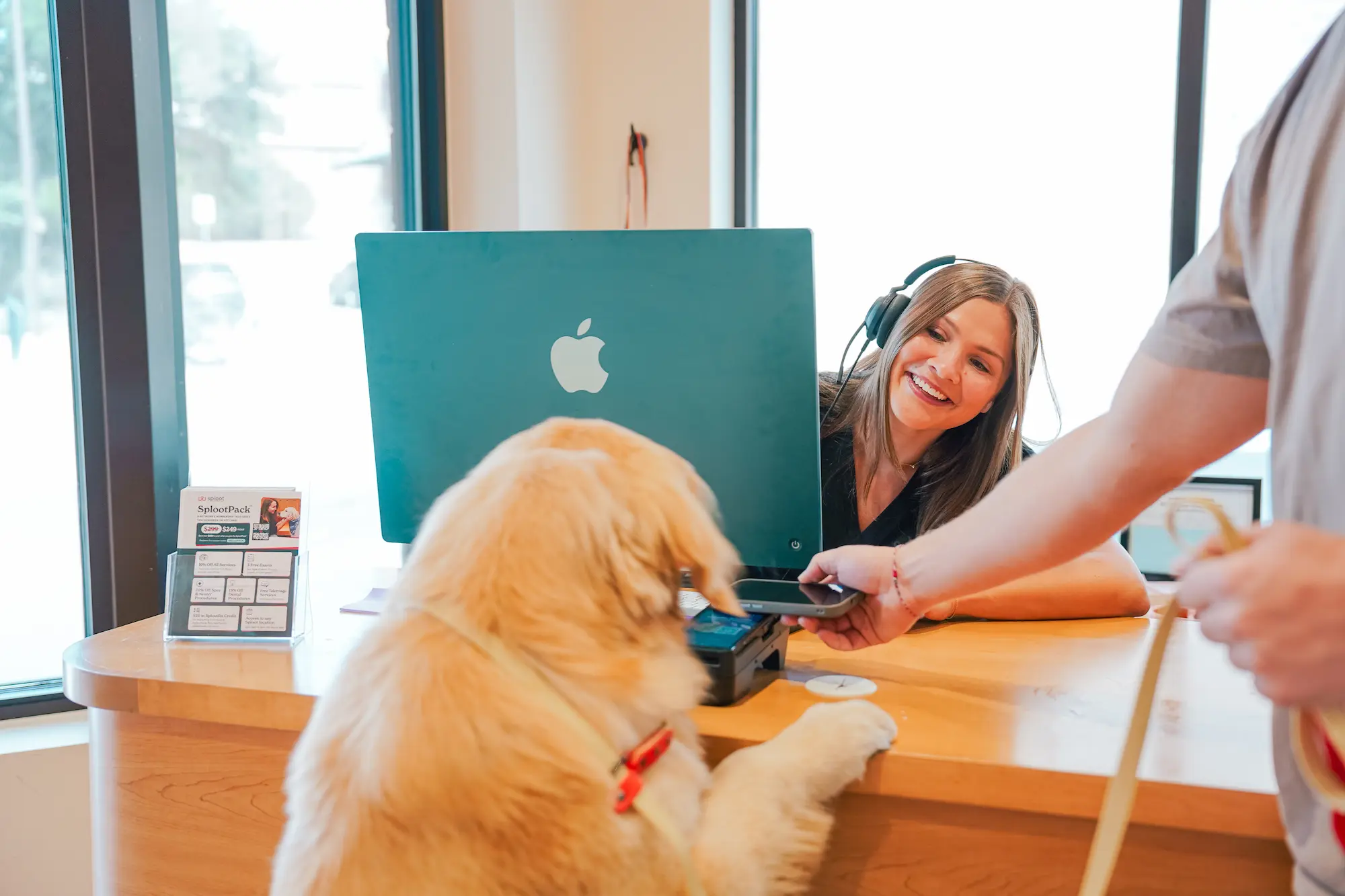
Financing made simple with CareCredit.
Pet healthcare expenses can come at unexpected times. That's why we accept the CareCredit® credit card, a flexible financing solution for the cost of veterinary care. Whether it's diagnostics, dental work, or an unexpected procedure, CareCredit lets you pay over time with promotional financing options on purchases of $200 or more.
- See if you prequalify in seconds — with no impact to your credit score
- Reusable for future visits at any Sploot clinic
- Pay over time with convenient monthly payments*
*Subject to credit approval. See carecredit.com for details. See our full financing options.
Pet surgery FAQs, answered.
What is veterinary surgery?
Veterinary surgery refers to procedures that involve creating an incision and manipulating tissues and organs. It can be routine (like spaying and neutering), diagnostic (like biopsies), or used to correct a medical issue (like gastric or intestinal surgery).
What types of surgeries are commonly performed on pets?
Some of the most commonly performed veterinary surgeries include spaying and neutering, mass removals, foreign body removals, laceration repairs, and GDV (gastric dilatation and volvulus) surgery.
How do I know if my pet needs surgery?
After examining your pet, a veterinarian will tell you if surgery is needed. Vets typically recommend surgery for routine procedures, for diagnosing certain illnesses, or for treating medical conditions that can't be addressed with medication and other non-invasive treatments.
Does my pet need a pre-surgical consultation?
Yes. A pre-op appointment is crucial to a successful surgery or dental procedure. During this appointment, our veterinarians walk you through the procedure and set expectations for your pet's surgery, so nothing on the day comes as a surprise.
How do I prepare for my pet's surgery?
Here are a few pointers to keep in mind, along with any additional tips our veterinarians give:
- Do NOT feed your pet after the time given by the vet on the night before surgery. Water is fine at all times.
- Set up a safe, quiet space for your pet to recover from anesthesia — especially if exercise restriction is needed (baby gates or pens, closing off the staircase, separating pets from siblings at home).
- If you have any questions about the procedure or recovery, reach out — all questions are welcomed!
You can also download the full surgery prep guide here.
How long do surgical procedures take?
It depends on the procedure your pet is having. Spaying and neutering can be completed in under an hour, while dental surgeries and other types of veterinary surgery take longer. In any case, you'll get a live update on how the procedure is going and when you can pick up your furry friend.
Will my pet be in pain after surgery?
Pets are likely to experience some pain and discomfort after any type of surgery. Our veterinarians will provide any needed medication to manage pain, plus tips on how to keep your pet comfortable through the healing process.
How should I care for my pet after surgery?
Our veterinarians will give specific instructions for your pet's procedure. Generally: let your pet rest in a quiet space, limit their activity, monitor the surgery site, and give any needed medications.
At Sploot, support continues through post-operative care — reach out to our pet parent concierge if you have questions about your pet's recovery.
When can my pet resume normal activities after surgery?
Most pets need rest and limited physical activity for a few weeks after surgery. The exact time frame depends on the extent of their procedure — your vet will give you specifics.
What should I do if my pet has complications after surgery?
Complications after surgery can include swelling, excessive bleeding, discharge from the surgery site, or worrisome changes in your pet's behavior. If you notice any of these, reach out to our pet parent concierge and they'll walk you through the next steps.
How much does my pet's surgery cost?
The cost of a pet's surgery depends on the extent of the procedure. We offer transparent pricing from the get-go — you'll get a clear estimate at your consultation, before anything is scheduled. Reach out to our team to learn more.
What payment options are available at Sploot?
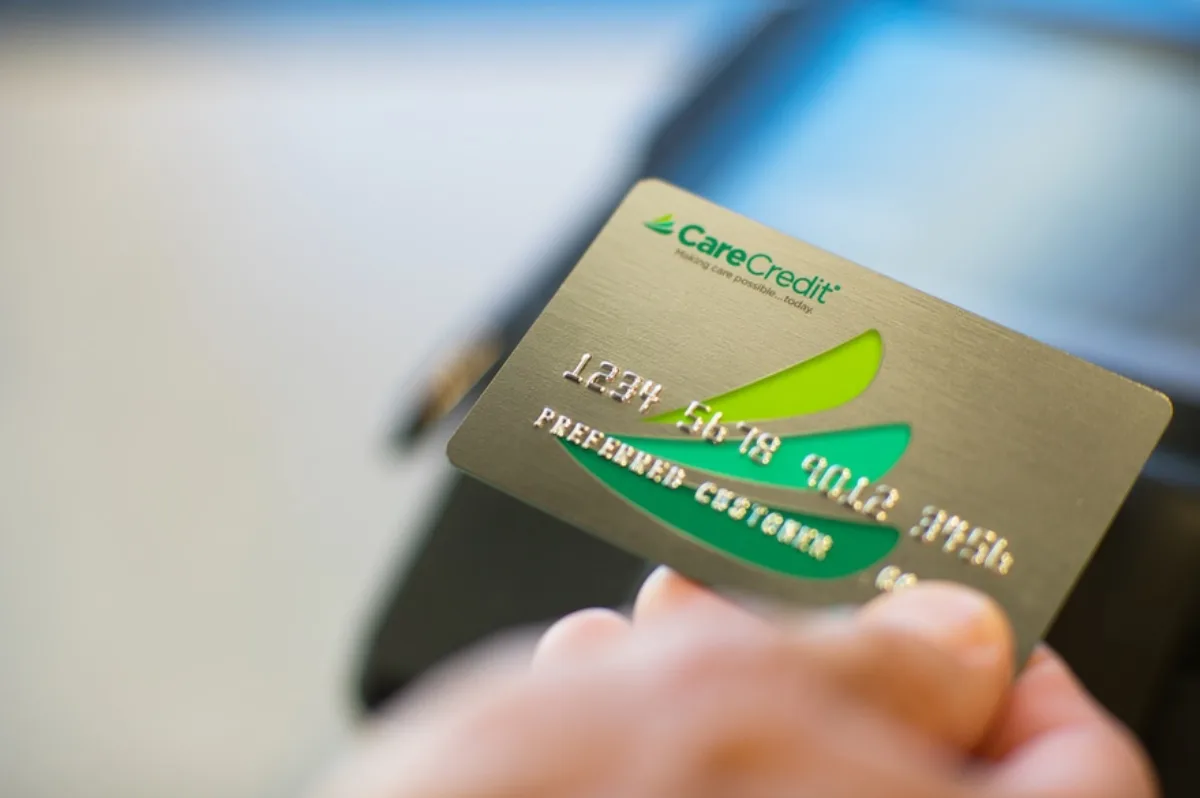
For the safety of our clients and our clinics, we only accept cashless payments. We welcome all major credit and debit cards, and we also accept payments through CareCredit and ScratchPay.
Does Sploot Veterinary Care accept pet insurance?
As long as the surgery is within the coverage scope of their pet's insurance, pet parents can receive reimbursement from their provider.
Different pet insurance plans have different scopes of coverage — if you have questions about your pet's coverage, please contact your provider.

Ready for exceptional veterinary care?
We accept scheduled appointments, same-day appointments, and urgent drop-offs at all our clinics in Denver, Chicago, Colorado Springs, and Salt Lake City — open 8am to 8pm, every day of the year.