
Gastropexy and other gastric & intestinal surgery for pets.
A partial or complete blockage in your pet's digestive tract needs surgery — whether that's a gastropexy to prevent bloat, repairing a hernia, or removing what's causing the obstruction. We use state-of-the-art imaging to diagnose fast and get your pet's digestion back on track.
When to act right now.
Gastrointestinal problems can range from a mild upset stomach to a same-day surgical emergency. Here's the simple version:
Call us now if
- They're vomiting, dry heaving, or drooling excessively
- They have diarrhea, or suddenly won't eat
- They're straining or unable to poop
- They seem weak, restless, or unusually withdrawn
- Their belly is painful or they growl or snap when it's touched
Go straight to a 24/7 ER if
- Their abdomen looks swollen or bloated
- They're retching repeatedly but nothing comes up
- They're breathing rapidly or heavily
- They collapse or become unresponsive
That second list is the classic GDV (bloat) triad — a twisted, gas-filled stomach that can put a pet into shock in about two hours. It's most common in large, deep-chested breeds like Great Danes, Irish Setters, Standard Poodles, and Doberman Pinschers. Don't wait it out; go straight to a 24/7 ER.
What causes a blockage.
In addition to other potential causes, a partial or complete blockage of your pet's digestive tract is often due to one of these:
Bloat, or GDV
Gastric dilation & volvulusA surgical emergency where the stomach fills with gas and twists — sudden, painful, and life-threatening. It's more common in dogs, though rare cases in cats have been reported.
GDV can be prevented with gastropexy, a procedure that anchors the stomach in place. It's typically recommended for large, deep-chested breeds like Great Danes, Irish Setters, Standard Poodles, and Doberman Pinschers.
Umbilical hernia
The "outie" belly buttonUsually from incomplete closure of the umbilical ring in kittens and puppies, though it can also develop later, often tied to being overweight. It shows up as a soft bubble or lump at the center of the belly.
We recommend surgically closing umbilical hernias, because a portion of the intestines can get trapped in them — cutting off blood flow and becoming a medical emergency.
Ingested foreign materials
What they swallowedSome swallowed objects don't pass on their own, causing a partial or complete blockage and reduced blood flow to the affected area. These cases are often resolved with surgery — or with an endoscope if the object is small enough.
See our foreign body removal pageTumors, masses & pyloric stenosis
Growths & structural issuesTumors or masses in the gastrointestinal tract are abnormal growths that can cause blockages. Pyloric stenosis — thickening of the stomach's outlet — is another structural condition that can block the digestive tract.
In cases requiring specialists, our team can connect you with appropriate specialist surgery offices. For more questions, our Pet Parent Concierge Team is a call or text away.
Gastric & intestinal surgery, start to finish.
From the first exam to post-op recovery, here's how it goes:
Exam & imaging
A full physical exam — including bloodwork — to confirm your pet is medically fit, plus imaging to confirm and locate the obstruction. Other lab tests may follow to determine the safest next step.
A clear plan
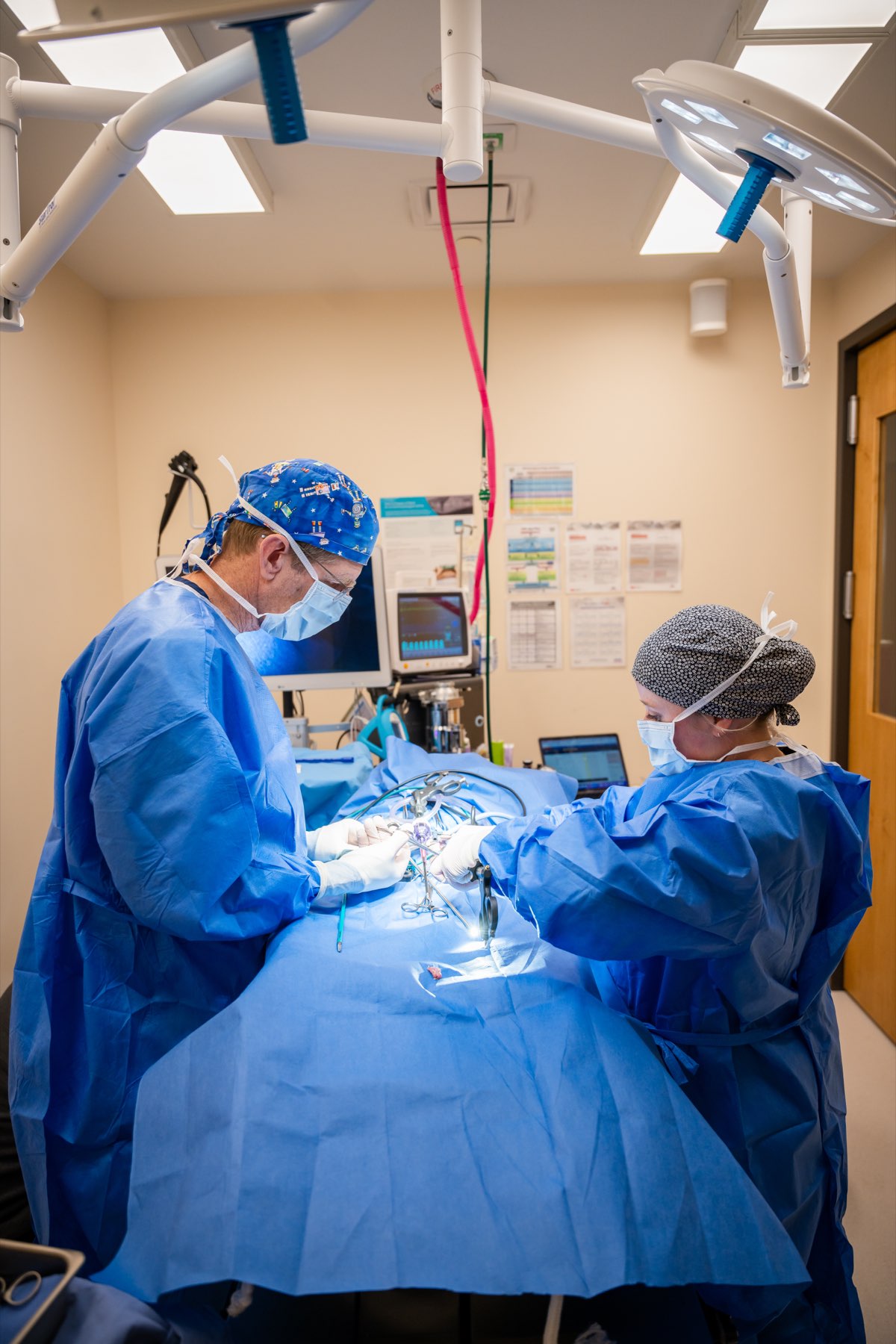
Based on what we find, our veterinarian recommends the safest path: an exploratory laparotomy (a full surgical look at the abdominal organs), surgery here at Sploot — such as GDV or hernia repair — or referral to a specialist surgeon. You get transparent pricing before anything is scheduled.
Procedure day
You drop your pet off on the day of surgery — we'll give you exact fasting instructions the night before (water is fine anytime) and walk you through what to expect and post-op care. Once it begins, we send live updates by text, photo, and video.
Recovery & home
After larger intestinal or gastric surgeries, it's often necessary to transfer your pet to a 24-hour hospital for a few days, so vitals can be monitored and they can rest before going home. Once home: medications on time, limited activity, the vet-recommended diet, and plenty of calm rest.
Part of our full surgery service.
Gastric and intestinal surgery is one of many procedures our surgical teams perform — see how we approach surgery at Sploot, from the consult to recovery. If you suspect your pet swallowed something specific, our foreign body removal page has more detail on that process.
Financing made simple with CareCredit.
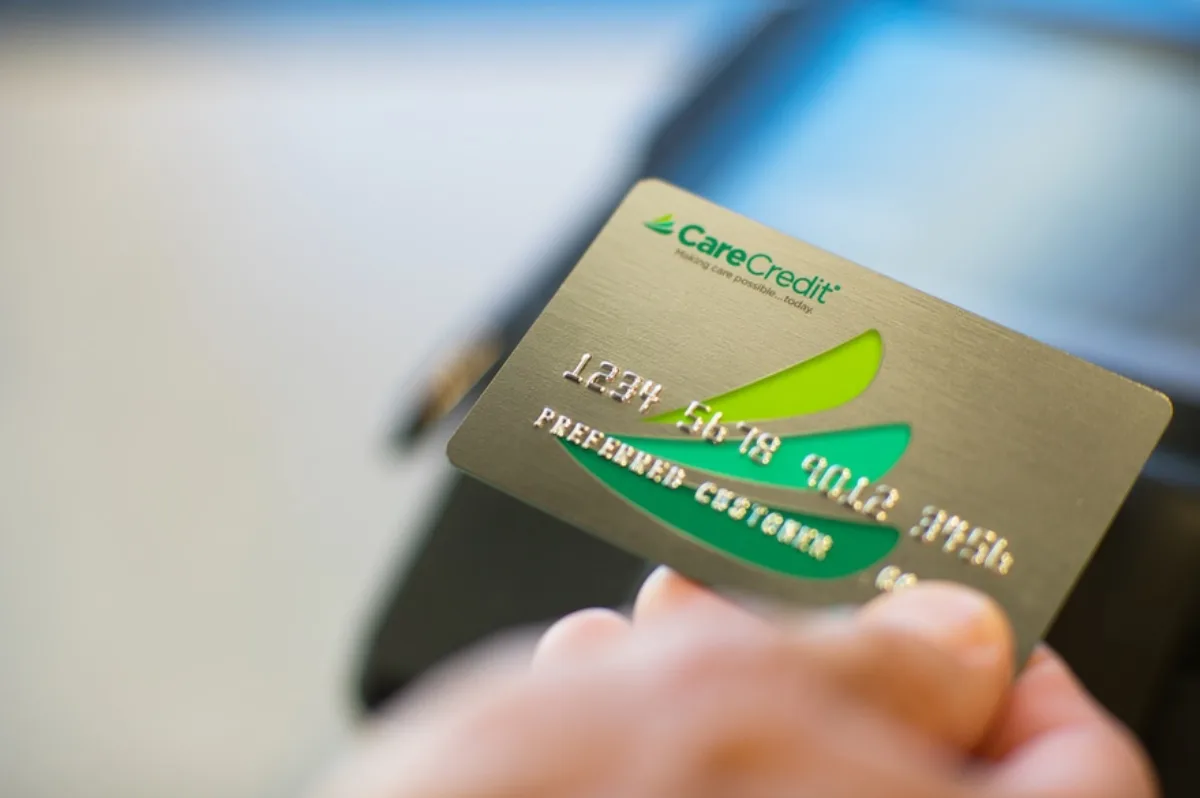
Pet healthcare expenses can come at unexpected times — and gastric or intestinal surgery is rarely planned. That's why we accept the CareCredit® credit card, a flexible financing solution with promotional financing options on purchases of $200 or more.
- See if you prequalify in seconds — with no impact to your credit score
- Reusable for future visits at any Sploot clinic
- Pay over time with convenient monthly payments*
*Subject to credit approval. See carecredit.com for details. See our full financing options.
Gastric & intestinal surgery FAQs, answered.
What are intestinal and gastric surgeries in dogs and cats?
These procedures address issues in a pet's stomach and intestines — things like tumors, obstructions, ulcers, foreign body ingestion, and gastrointestinal injuries.
What are some common reasons a pet needs this kind of surgery?
The most common reasons we see include tumors or masses, bloat (GDV), umbilical hernias, pyloric stenosis, ingestion of foreign materials, and gastrointestinal injuries.
Do gastrointestinal issues require urgent care?
Some do — and a few are genuine emergencies. GDV (bloat) causes a pet's stomach to fill with gas and twist, and can lead to shock in about two hours; watch for an enlarged, bloated abdomen, unproductive retching, and rapid breathing. Ingesting sharp objects can perforate the GI tract, and an umbilical hernia can trap intestinal tissue and cut off blood flow. Reach out to our team as soon as you notice anything concerning.
How are intestinal and gastric problems diagnosed?
We use a physical exam, lab tests, and imaging to confirm what's going on. For some cases, we may also recommend an exploratory laparotomy — a type of surgery that lets us directly evaluate a more complex issue.
If my pet needs an exploratory laparotomy, will they need a second surgery?
Not necessarily. During your pet's pre-op consultation, we'll walk you through what to expect if they need an exploratory laparotomy. It gives us a full picture of the issue, and in many cases, once we identify and assess the problem, we can fix it in the same session.
Are there nonsurgical alternatives?
Sometimes. A small, reachable swallowed object can sometimes be removed with an endoscope instead of surgery. For obstructive tumors, pyloric stenosis, GDV, and similar conditions, surgery is generally what's needed.
How can I help prevent gastrointestinal issues that lead to surgery?
A healthy diet and lifestyle help prevent some GI issues; others are tied to breed and genetics — some breeds, for example, are more predisposed to GDV. Regular wellness exams catch these predispositions early, so issues can often be addressed before they progress.
How long does the surgery take?
It depends on the procedure, but gastric and intestinal surgeries generally take 1 to 4 hours. You'll get live updates throughout.
Are there risks with gastric or intestinal surgery?
As with any surgical procedure, there are risks involved — including anesthesia complications and post-surgical wound infections. Our experienced vets work to minimize these risks and help pet parents give great post-op care at home.
Does my pet need a pre-surgical consultation?
Yes. A pre-op appointment is what ensures a safe, successful gastric or intestinal surgery.
What is recovery like?
Recovery time varies with the extent of the surgery, your pet's overall health, and their post-op care — it can take anywhere from a few weeks to a few months. In general, every pet recovering from surgery needs prescribed medications on time, limited physical activity, the vet-recommended diet, and a calm environment to rest in.
We'll give you thorough post-op instructions on medication, diet, and wound care — sutures should stay dry, so no bathing or puddles until they're healed. Watch how your pet is healing, and reach out right away if anything concerning comes up.
Will my pet need a special diet after surgery, and can they eat normally again?
In most cases, yes — a special diet is recommended after surgery, either short-term while they heal or, for chronic or recurring conditions, on an ongoing basis. Unless we recommend otherwise, pets can gradually transition back to their usual diet once they've recovered; we'll let you know if and when that transition is okay.
How much does gastric or intestinal surgery cost?
Cost depends on the extent of the procedure. We offer transparent pricing from the get-go, so you'll have a clear estimate before anything is scheduled. Reach out to our team to learn more.
Do you accept pet insurance?
If gastric or intestinal surgery is included in your pet's insurance coverage, you may be able to claim reimbursement from your insurance provider. Because plans differ, check with your provider on what's eligible.
What payment options does Sploot accept?
Sploot only accepts cashless payments. We happily accept all major credit and debit cards, along with CareCredit and ScratchPay.
The sooner we see them, the simpler it is.
If your dog or cat is showing signs of a gastric or intestinal problem, don't wait and wonder. Call or book now — our clinics in Denver, CO and Chicago, IL take same-day appointments and walk-ins, 365 days a year.