
Veterinary laparoscopy: keyhole surgery for dogs & cats.
Veterinary laparoscopy — keyhole surgery for dogs and cats — is a minimally invasive, state-of-the-art alternative to traditional open surgery. Paired with LigaSure for precise vessel sealing, it means smaller incisions, less pain, and a faster recovery.
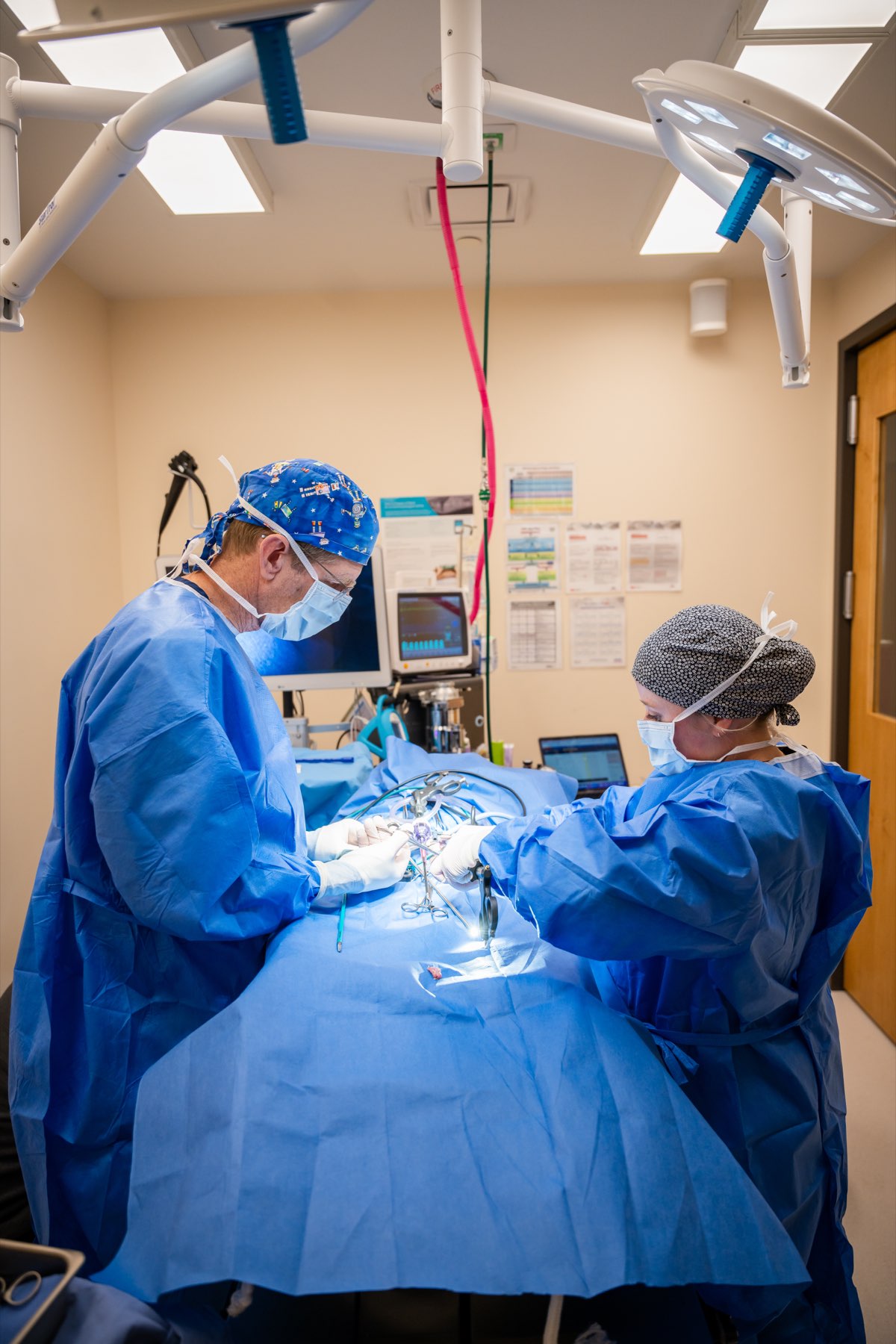
What is keyhole surgery?
Veterinary laparoscopy uses a few small incisions — the "keyholes" — instead of one large one. Specialized instruments and a camera go in through them, giving our surgeons a magnified view of your pet's internal organs for precise, controlled procedures. Because it's less invasive than open surgery, laparoscopy means less bleeding, a lower risk of infection, less post-surgical pain, and a faster recovery.
Smaller incisions
A few small keyholes replace one long incision, so there's less trauma to the surrounding tissue.
A magnified, guided view
A camera feeds a magnified image of the internal organs to our surgeons, for more precise and controlled procedures.
Less invasive, faster recovery
Smaller incisions mean less bleeding, lower infection risk, less post-surgical pain, and a quicker return to normal life.
The role of LigaSure.
Paired with laparoscopy, LigaSure is what makes the small-incision approach possible — an advanced way to control bleeding that takes the place of older methods like surgical clips and sutures.
- Replaces older methods — surgical clips and sutures — for sealing blood vessels during surgery
- Uses the body's own elastin and collagen to seal vessels, for minimal bleeding and reduced risk of complications
- Paired with laparoscopy, it improves outcomes and makes the surgery even safer
What laparoscopy with LigaSure delivers.
Together, laparoscopy and LigaSure offer combined benefits pet parents notice right away:
Faster recovery times
Pets undergoing keyhole surgery with LigaSure typically bounce back to their normal activities sooner.
Minimized pain & discomfort
Less tissue trauma means reduced post-operative pain, for better overall comfort during recovery.
Reduced risk of complications
Small incisions leave more of the skin barrier intact, lowering infection risk — and LigaSure's reliable vessel sealing lowers the risk of post-operative bleeding.
Reduced time under anesthesia
The efficiency and precision of laparoscopy with LigaSure can shorten the operation itself — which can mean less time under anesthesia.
Types of keyhole surgery we offer.
Veterinary laparoscopy can be used for a range of procedures at Sploot, including:
Laparoscopic spaying
The minimally invasive counterpart to traditional spaying — removing the ovaries through a much smaller incision than an open-surgery spay.
Learn about spay & neuterCryptorchid neutering
For dogs with cryptorchidism — when one or both testicles haven't descended — laparoscopy removes them from the abdomen through a small incision, with precision.
Liver biopsies
Collecting tissue samples to diagnose liver disease — like hepatitis, cirrhosis, or cancer — done laparoscopically to minimize incision size and tissue trauma.
Laparoscopic gastropexy
A preventive surgery for deep-chested breeds at risk of GDV (gastric dilation and volvulus) — permanently securing the stomach to the abdominal wall through small incisions, to help prevent this potentially fatal twisting.
Two minimally invasive approaches.
Laparoscopy and endoscopy are both minimally invasive, with less recovery time and discomfort than open surgery — but they work differently, and treat different problems.
Laparoscopy
Keyhole surgery for dogs & catsA small camera goes into the abdomen through a small incision, giving our surgeons a magnified, guided view to perform the procedure. It's how we approach spays, cryptorchid neutering, liver biopsies, and gastropexy.
Endoscopy
No incision requiredA flexible tube with a camera goes in through the mouth, rectum, nose, or ear — no incision needed. We typically use it for mass removal, foreign body removal, and biopsies in the GI tract, nose, and ears.
See endoscopy for foreign body removalGetting ready, and settling back in.
A few things go a long way toward a smooth laparoscopic procedure:
- No food after the time our vet specifies the night before surgery — water is fine anytime
- A safe, quiet recovery space set up in advance — baby gates, a pen, or blocked-off stairs, and separation from other pets
- Any additional instructions from our veterinary team
Recovery after laparoscopic surgery is typically shorter than after traditional open surgery, though the exact timeline depends on the specific procedure and your pet's individual health.
Once home: monitor your pet closely for any signs of complications, give prescribed medications on schedule, restrict activity as directed, and follow any dietary instructions from our veterinarians.
Part of our full surgery service.
Laparoscopy is one of several ways our surgical team keeps procedures safe and comfortable — see the full picture, or learn more about spay & neuter.
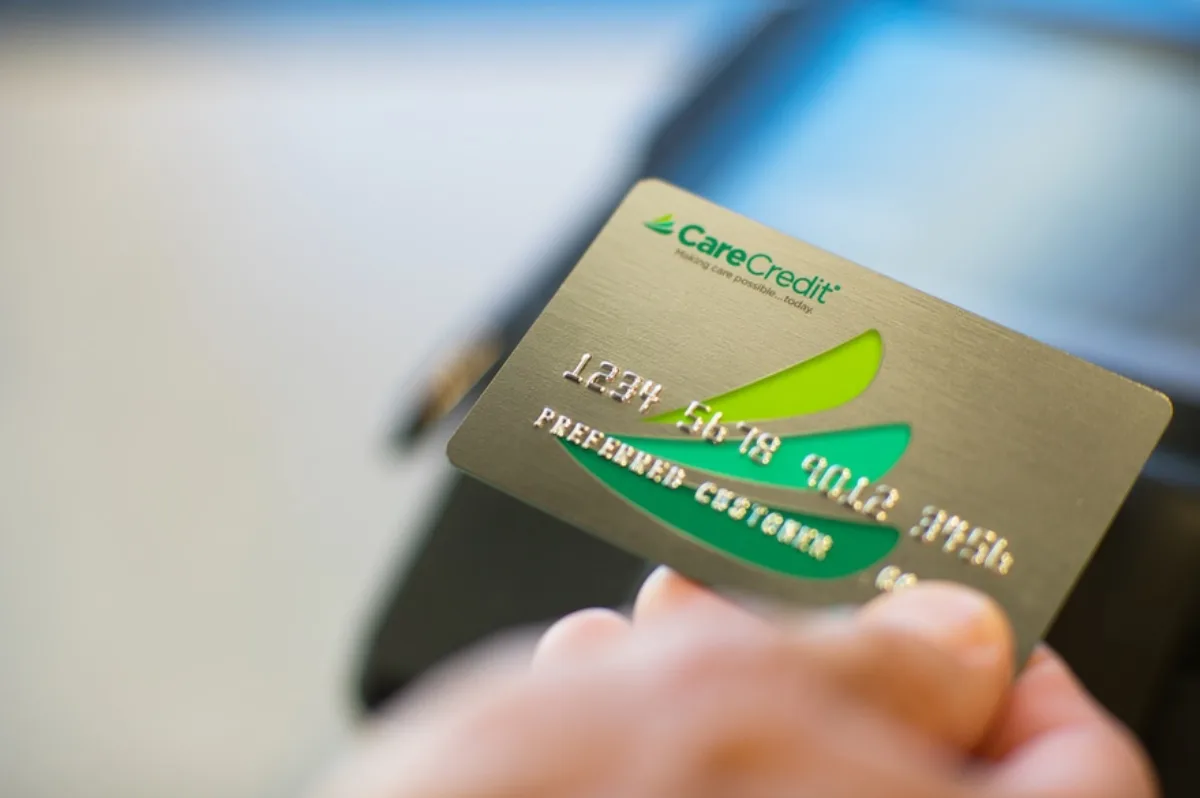
Paying over time with CareCredit.
Surgery costs can come at an unexpected time. That's why we accept CareCredit®, a healthcare credit card that lets you pay over time for any procedure over $200. They also offer promotional financing that's interest-free if paid within the promo period.
- See if you prequalify in seconds; no impact to your credit score
- Reusable for future visits at any Sploot clinic
- Pay over time with convenient monthly payments*
*Subject to credit approval. See carecredit.com for details. See our full financing options.

Veterinary laparoscopy FAQs, answered.
How does laparoscopic surgery differ from traditional open surgery?
Laparoscopic surgery uses small incisions in the abdomen, with a camera and specialized instruments to perform the procedure. Traditional open surgery requires one larger incision to access the surgical site directly.
What types of procedures can be performed laparoscopically?
At Sploot, laparoscopic techniques are used for spaying, cryptorchid neutering, liver biopsies, and gastropexy (GDV prevention), among other procedures.
Is laparoscopic surgery safe for pets?
Laparoscopy is generally the safer, less invasive surgical technique — but like any surgery, it carries some risk of complications. Our experienced veterinary team takes every precaution to minimize that risk.
What are the potential risks or complications?
As with any surgical procedure, there are risks, including infection, bleeding, and anesthesia-related complications. Laparoscopic surgery is generally safe when performed by a qualified veterinarian, and our team monitors your pet closely throughout.
How do I prepare my pet for laparoscopic surgery?
A few things help it go smoothly:
- Don't feed your pet after the time our vet specifies the night before surgery — water is fine at all times.
- Set up a safe, quiet recovery space in advance — baby gates, a pen, blocked-off stairs, and separation from other pets all help.
- Follow any additional instructions from our veterinary team.
How long does it take to recover from laparoscopic surgery?
Recovery is typically shorter than after traditional open surgery, though the exact timeline depends on the specific procedure and your pet's individual health.
What post-operative care does my pet need?
In general: monitor your pet closely for any signs of complications, give prescribed medications on schedule, restrict their activity as directed, and follow any dietary instructions from our veterinarians.
How much does laparoscopic surgery cost?
Cost depends on the specific procedure. We offer transparent, upfront pricing — your vet will walk you through the estimate at your pet's pre-surgical consultation.
What payment options does Sploot accept?
Sploot only accepts cashless payments. We happily accept all major credit and debit cards, along with CareCredit and ScratchPay.
Does Sploot accept pet insurance?
Pet parents can submit their itemized invoice to their insurance provider for reimbursement after the visit. Coverage varies by plan, so check with your provider to confirm laparoscopic surgery is included.

Precision surgery, less to recover from.
If your dog or cat could benefit from a minimally invasive approach, book a laparoscopy consult at our clinics in Denver, CO and Chicago, IL.